
Roof Age vs Roof Condition in a Calgary Home Inspection
Roof findings are among the highest-anxiety inspection topics in Calgary because of hail, wind, sun exposure, and replacement cost. The most useful way to read a roof section in your inspection report is to understand age and visible condition as two separate pieces of information that, together, describe how much life the roof likely has left and what — if anything — needs attention now.
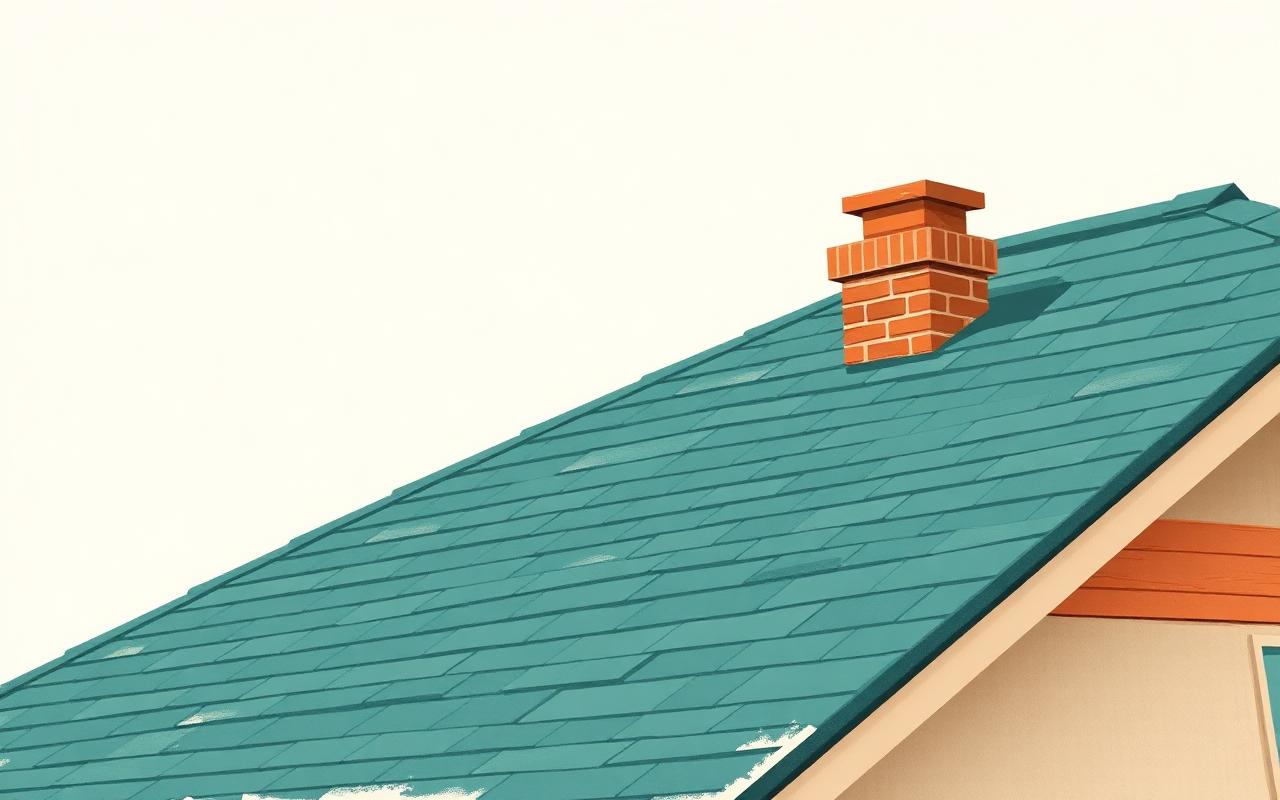
Direct answer: age is useful, condition is more useful
Manufactured warranty length on a typical asphalt shingle in Calgary runs 25 to 40 years on the box, but real-world replacement in this city often happens earlier — typically 15 to 22 years for builder-grade three-tab shingles and 18 to 28 years for laminate architectural shingles. Those ranges are starting points for conversation, not verdicts.
What pushes a roof toward the lower end of its expected life is exposure: south and west slopes that bake under prairie sun, north slopes that hold snow and ice through long freeze-thaw cycles, and any slope that has taken direct hail in the last decade. What pushes it toward the upper end is good attic ventilation, intact flashings, attentive maintenance, and a quality install. Two roofs of identical age can be in entirely different condition.
Why Calgary roofs deserve climate context
Calgary's roofing climate is unusually punishing. The hail corridor runs through the north and northeast quadrants of the city, and significant hail events in 2014, 2020, and 2024 have shaped the current insurance and replacement market across most neighbourhoods. UV exposure at this altitude accelerates granule loss. Chinook-driven temperature swings of 30 °C in 24 hours expand and contract every component on the roof, and snow load across long winters compresses ridge vents and stresses fasteners.
All of this means a Calgary home inspector reads the roof differently than an inspector in a milder climate. We expect to see weathering. The question is whether what we're seeing is age-appropriate, whether there is recent damage that has not been addressed, and whether the roof's accessory components — flashings, vents, ridge cap, eavestroughs — are doing their job.
What inspectors can usually observe
A standard home inspection in Calgary includes a visual review of the roof either by walking it (when slope, height and condition allow), from a ladder at the eaves, from the ground with binoculars, or from the attic looking up at the underside of the sheathing. Each method has limits, and a conscientious inspector tells you in the report which method was used and why.
- Shingle condition: granule loss, curling, cupping, lifted tabs, cracking, and surface erosion.
- Flashings: chimney, sidewall, plumbing stack, kick-out, and step flashings — present, sealed, and properly lapped.
- Penetrations: vent boots, satellite mounts, and skylights for active leakage signs.
- Drainage: eavestrough condition, slope, fasteners, downspout discharge, and ice damming evidence at the eaves.
- Ridge and ventilation: ridge cap integrity, ridge vent or box vents, and balance with intake (soffit) ventilation.
- Attic clues: staining, frost residue, daylight at ridge, compressed insulation around vents.
What an inspector generally cannot do from a single visual review is predict the exact remaining life in years, count individual hail strikes the way an insurance adjuster does, or open up sealed components to inspect underlayment. Those are roofer or adjuster jobs, and a good report says so.
Age, wear, hail, flashing, drainage and ventilation
Wear is what age and weather do to a roof over time — gradual, evenly distributed, and predictable. Damage is sudden, localized, and often tied to a specific event or installation defect. Both belong in the report, but they sit in different decision buckets.
A 14-year-old laminate shingle roof in Tuscany or Bridlewood with mild granule loss, intact flashings and balanced ventilation is showing normal wear. The same age roof in the hail corridor with bruised shingles, lifted ridge cap and a missing kick-out flashing has both wear and damage, and only one of those is going to be addressed by waiting another five years.
Eavestrough and downspout performance is part of the roof story too. Roofs that look fine from above can still be feeding water into a foundation if eaves are sagging, fasteners are pulled, or downspouts discharge against the wall. That's a maintenance fix, not a roof replacement — but it shows up under "roof" in a lot of reports.
When a roofing contractor opinion helps
A roofing contractor's quote is appropriate when the inspection report flags the roof as either at end of life, possibly damaged by hail or wind, or installed in a way that needs trade-level confirmation. A quote is a price for a defined scope; an inspector's note is a description of condition. Both serve different purposes.
- End-of-life recommendation in the report: get a written quote for replacement scope and timing.
- Possible hail or storm damage: an insurance-experienced roofer can advise on whether to file a claim before paying out of pocket.
- Visible flashing or ventilation defects: roofer or HVAC trade can confirm whether it's a quick fix or a deeper issue.
- Newer roof with workmanship concerns: a roofer can confirm whether the install matches manufacturer specs and warranty conditions.
How buyers can discuss roof findings constructively
Buyers who treat a roof finding as automatic disqualification often miss the more useful question: how does this finding change the offer or the budget? An end-of-life roof on an otherwise sound home is a known number, and it can be priced into the deal through a credit, a price reduction, or a planning conversation about year-one budget.
Bring trade quotes — not the inspector's range — into a renegotiation conversation with your realtor. Quotes carry weight because they price a real scope. Use the inspection condition window to gather them; that's exactly what the window is for. See the guide on
How sellers can document roof history
Sellers who can produce a roofing invoice, a manufacturer warranty card, and any post-storm inspection or repair documentation almost always settle roof questions faster than sellers who can't. The same finding reads very differently when paired with "replaced 2019, 30-year laminate, transferable manufacturer warranty" in a disclosure binder.
If you don't have paperwork, the next best thing is a current inspection or a roofer's written opinion of remaining life. Either way, get ahead of the buyer's inspector — see our notes on
Insurance and warranty questions to ask carefully
Insurance treatment of older roofs has tightened across most Alberta carriers. Some insurers will not bind a new policy on a roof past a stated age, others will exclude or surcharge, and some will require an inspection report or a roofer's letter before underwriting. None of this is the home inspector's call to make, but the inspection report is often the first place a buyer realizes there's an insurance question to ask.
Ask your broker, in writing, about: minimum acceptable roof age for a new policy, whether the roof's documented condition affects premium, and whether prior hail claims on the property follow the home or the owner.
Bottom line
Roof age sets context. Roof condition drives the decision. Sellers help themselves with documentation; buyers help themselves with quotes and a clear understanding of what the report does and does not say. A roof at the end of its service life is a known cost, not a deal killer — and a roof with active damage is a question for a roofer, not a verdict for the deal.
Related guides
Service areas
Frequently Asked Questions
- Is an older roof a deal breaker? +
- Almost never on its own. An older roof is a known cost the buyer can budget for or negotiate around. The deal usually comes down to whether the rest of the report and the price reflect that cost.
- Can a home inspector tell how many years a roof has left? +
- Not precisely. We can describe visible condition and put it next to age and exposure to give a reasonable range, but exact remaining life is a roofer's call after a closer look — and ultimately depends on weather and maintenance.
- Does hail damage always mean the roof needs replacement? +
- No. Hail can leave bruising or surface impact that an insurer or roofer evaluates against carrier guidelines. Some hail events trigger replacement, others don't. The inspection report flags possible damage; the adjuster or roofer confirms severity.
- Should sellers provide roof receipts? +
- Yes. A roofing invoice, install date, manufacturer warranty card and any post-storm work orders almost always speed up a buyer's review and reduce renegotiation pressure.
- When should buyers call a roofer? +
- When the inspection report mentions end-of-life, possible storm damage, missing flashings, or any item the inspector specifically refers to a roofing contractor. A roofer's written quote turns a description into a number you can plan around.
- Can a newer roof still have inspection issues? +
- Yes. Newer roofs can show installation defects: missing kick-out flashings, exposed fasteners, incorrect ridge venting, or sealant relied on instead of proper flashing. Newer doesn't always mean correctly installed.
More guides
- Buying a Home in Calgary: The Inspection-Led Guide
A working Calgary home inspector's complete guide to buying a home — what to look for in every era and neighbourhood, how to use the inspection condition, common defects by housing type, and how to negotiate after the report.
- Selling a Home in Calgary: Pre-Listing Inspection Strategy
How a pre-listing home inspection changes a Calgary sale — what to fix, what to disclose, what to leave for the buyer's inspector, and how to use the report to defend price.
- New Build Inspections in Alberta
Independent new construction inspections in Alberta — when to book pre-board, pre-possession, and 11-month warranty inspections, what each catches, and how to use them with the Alberta New Home Warranty.
- Calgary Housing Stock by Era: Defects by Decade
A decade-by-decade reference for Calgary home buyers and homeowners — common defects, plumbing types, wiring, insulation, and inspection findings from 1950s bungalows to today's new builds.
- What Does a Calgary Home Inspection Include — And What Does It Not Include?
A Calgary home inspector explains exactly what a standard home inspection covers, what's conditionally included, what's outside scope, and how to use the report.
- Calgary Home Inspection Cost: What Changes the Price and What's Worth Paying For
What a Calgary home inspection actually costs in 2026, the property factors that move the price, why the cheapest quote is rarely the best, and what to ask before you book.
- Home Inspection Before Waiving Conditions in Calgary: Buyer Decision Guide
How to use the home inspection condition window in a Calgary purchase — separating major defects from maintenance, deciding when to renegotiate, and what to do under deadline pressure.
- New Build Inspection in Calgary: PDI, Possession, and Warranty Strategy
How a Calgary new build inspection differs from the builder PDI, when to schedule each, and how independent inspections protect your warranty documentation.
- The 25 Most Common Calgary Home Inspection Issues Buyers and Sellers See
A working Calgary inspector's list of the most common defects we report — hail roof wear, attic frost, grading, basement moisture, Poly-B, aluminum wiring, and more.
- Attic Frost, Ventilation, and Insulation in Calgary Homes: What It Really Means
Why attic frost shows up in Calgary winter inspections, what causes it, when it's serious, and how to fix the underlying ventilation and insulation problems.
- Poly-B, Aluminum Wiring, and Older Calgary Homes: What Buyers Need to Know
How to identify Poly-B plumbing and aluminum branch wiring in Calgary homes, what insurers and buyers actually care about, and how to handle the findings before condition removal.
- Pre-Listing Inspection Strategy for Calgary Sellers: Fix, Disclose, Price, or Leave Alone
How Calgary sellers should use a pre-listing inspection — what to fix, what to disclose, what to price into the listing, and what to leave alone.
- Calgary Condo Inspection Guide: Unit Inspection, Condo Documents, and Building Envelope
What a Calgary condo inspection covers and what it doesn't — the unit, the building envelope, common property, and the document review every condo buyer needs.
- Flipped & Renovated Calgary Home Inspection Red Flags
Renovated and flipped homes look great in photos — but the inspection often tells a different story. The red flags Calgary buyers should look for, inside and out.
- How to Prioritize Home Inspection Findings Without Overreacting
A calm, deal-aware framework for sorting Calgary home inspection findings into safety, major repair, further evaluation, maintenance, monitoring, and normal homeownership categories.
- Normal Wear and Tear vs a Defect in a Home Inspection
How a Calgary home inspector tells the difference between normal age-related wear and a real defect — with examples for roofs, furnaces, caulking, grading, windows, and decks.
- How to Use a Home Inspection in Negotiations Without Killing the Deal
A neutral, deal-aware Calgary guide to using inspection findings in negotiation — what's worth raising, what's better left alone, and how realtors keep the conversation constructive.
- When a Home Inspector Recommends a Specialist: What It Really Means
What 'further evaluation' actually means in a Calgary home inspection report — when an electrician, plumber, roofer, HVAC tech, structural engineer, sewer scope or radon test belongs in the picture.
- Why Calgary's Climate Changes How Home Inspections Should Be Read
Freeze-thaw, hail, attic frost, spring melt, dry chinooks and clay soils — how Calgary's climate creates context every buyer, seller and relocation buyer should understand before reading an inspection report.
- What a Home Inspection Cannot See — And Why That Does Not Make It Useless
An honest, scope-aware look at what a Calgary home inspection cannot see, why limitations are part of a responsible inspection, and how thermal imaging, sewer scopes, and add-ons reduce uncertainty.
- Calgary Home Inspections for Renovated Homes: What Buyers Should Understand
How to inspect a renovated or flipped Calgary home without anti-flip bias — workmanship clues, system updates vs cosmetic updates, permit and documentation questions, and when a specialist follow-up makes sense.
- Inspection Findings Sellers Can Document Before Listing
A practical Calgary seller guide to documenting maintenance, repairs, major-system age, warranties, permits and known conditions — reducing buyer uncertainty without overselling the home.
- Condo Inspection vs Condo Document Review in Calgary: Why You Usually Need Both
Calgary condo buyers often confuse a unit inspection with a condo document review. They answer different questions — and most buyers benefit from both.
- A Realtor's Guide to Keeping Home Inspection Conversations Calm and Useful
A practical communication guide for Calgary buyer agents and listing agents — setting expectations, managing inspection day, separating priorities, and using inspection findings to keep deals together.
- Furnace Age vs Performance in a Calgary Home Inspection
Furnace age is one clue; performance, service history, venting, airflow and combustion-air observations matter just as much. How to read furnace findings in a Calgary inspection report calmly.
- Water Heater Age in a Home Inspection: Planning Item or Urgent Concern?
Water heater age is usually a planning item, not an emergency, unless visible leaks, unsafe venting, corrosion or installation concerns are present. How to read water heater findings in your Calgary inspection report.
- Minor Grading Issues in Calgary Home Inspections: What They Mean in Context
Minor grading issues mean the soil may not be moving water away from the foundation as well as it should. How a Calgary home inspector reads grading findings — and what's a quick fix vs a deeper concern.
- Moisture Stains in a Home Inspection: Old, Active, or Worth Watching?
A moisture stain doesn't automatically mean an active leak. How a Calgary home inspector reads basement, attic, ceiling, window and plumbing-area staining — and what next steps actually look like.
- Electrical Panel Findings in a Home Inspection: What Buyers Should Understand
Electrical panel findings deserve attention, but the meaning depends on the issue. How a Calgary home inspector reads panel observations, what defers to an electrician, and what's typical for older homes.
- Plumbing Materials in Calgary Home Inspections: Age, Risk, and Context
Poly-B, copper, PEX, galvanized, cast iron — what each plumbing material means in a Calgary home inspection report, and how to read material findings without panic.
- Basement Development Inspection in Calgary: What Buyers and Sellers Should Know
A developed basement adds usable space — but inspection context matters. How a Calgary home inspector reads moisture, egress, electrical, plumbing and workmanship clues in finished basements.
- Inspection Findings vs Repair Estimates: Why They Are Not the Same Thing
A home inspection finding identifies a visible condition. A repair estimate prices a defined scope of work. Why Calgary inspectors stop short of pricing — and how to use trade quotes during conditions.
- Home Inspection Findings in Older Calgary Homes: Context for Buyers and Sellers
Older Calgary homes — Mount Pleasant, Inglewood, Hillhurst, Mission — often have age-related findings, past renovations and documentation gaps. How to read those findings without unfairly discounting character homes.
- What to Expect on Home Inspection Day in Calgary
On home inspection day, buyers should expect a visual, non-invasive review of readily accessible systems, a walkthrough of key findings where possible, and...
- How Long Does a Home Inspection Take in Calgary?
A Calgary home inspection often takes a few hours, but timing depends on property size, age, complexity, access, weather, add-on services, and how many que...
- Home Inspection Condition Deadlines in Calgary: How Buyers Can Stay Organized
A home inspection condition deadline creates a short window to book the inspection, attend or review findings, ask follow-up questions, and decide whether ...
- Home Inspection Guide for First-Time Buyers in Calgary
A home inspection helps first-time buyers understand the visible condition of a property, how major systems work, what maintenance may be coming, and which...
- Home Inspections for Relocation Buyers Moving to Calgary
Relocation buyers can use a Calgary home inspection to understand local climate issues, property age differences, seasonal limitations, system condition, a...
- Home Inspections for Estate Sales in Calgary: What Buyers and Sellers Should Know
An estate-sale inspection can help buyers and sellers understand visible condition when maintenance history, documentation, or recent occupancy details may...
- Calgary Infill Home Inspections: Newer Does Not Mean No Questions
A Calgary infill inspection helps buyers understand visible workmanship, grading, drainage, roof and exterior details, mechanical systems, basement develop...
- Acreage Home Inspections Near Calgary: What Changes Outside the City
An acreage inspection can include the home itself, but buyers should also understand rural systems, outbuildings, site drainage, wells, septic, utilities, ...
- Luxury Home Inspections in Calgary: More Systems, More Context
A luxury home inspection often involves more systems, more finished space, more custom details, and more documentation questions. The goal is not to find r...
- Home Inspection Before Renovating in Calgary: What Owners Can Learn First
A pre-renovation inspection can help owners understand visible condition, moisture clues, electrical and plumbing concerns, attic and ventilation issues, a...
- Buying a Home With Past Basement Water History in Calgary
Past basement water history does not automatically mean a home should be avoided. Buyers should understand what happened, whether the source was addressed,...
- Smoke and Carbon Monoxide Alarms in Calgary Home Inspections
Smoke and carbon monoxide alarm findings are often practical safety and maintenance items. Inspectors may note missing, outdated, inaccessible, or improper...
- Stucco and Exterior Cracks in Calgary Home Inspections
Stucco/exterior cracks are common, visible, and often misunderstood. Strong Calgary relevance with infills and newer homes.
- Siding and Exterior Maintenance Findings in Calgary Home Inspections
Exterior maintenance is common and can be explained constructively. Strong seller prep and homeowner maintenance angle.
- Plumbing Leak or Condensation? How Home Inspectors Think About Moisture Clues
Moisture source confusion is common and highly searched. This page helps clarify without overclaiming.
- Sloping Floors in a Home Inspection: What Buyers Should Understand
Sloping floors are anxiety-inducing but context-dependent. Excellent for AEO and older-home buyer education.
- Cracks in Walls and Ceilings During a Home Inspection
Interior cracks are common and require nuance. This can rank for broad crack/report questions.
- Townhouse Home Inspections in Calgary: Unit, Exterior, and Shared Responsibility Context
Townhouse inspections have unique ownership and responsibility questions. Strong condo/townhouse search opportunity.
- Duplex and Semi-Detached Home Inspections in Calgary
Duplex/semi-detached properties have distinct shared-wall, roof, exterior, utility, suite, and ownership questions. Strong local real estate relevance.
- Pre-Listing Inspection vs Buyer Inspection in Calgary
Direct commercial comparison page that can route users into seller or buyer services.
- Buying an As-Is Home in Calgary: Why an Inspection Still Matters
A practical Calgary buyer guide explaining why an inspection still matters for as-is homes, estate sales, rentals, and investor properties.
- What a Calgary Home Inspection Cannot See — And Why That Does Not Make It Useless
A deep Calgary buyer and seller guide to what a home inspection cannot see, what those limits actually mean, and how to use the report anyway.
- Attic Frost vs Roof Leak in Calgary Homes: How Inspectors Think About the Clues
How Calgary inspectors think about attic frost versus roof leak clues — location, pattern, ventilation, fan discharge, and what each may mean.
- Do You Need a Sewer Scope With a Calgary Home Inspection?
A deep Calgary buyer guide explaining when a sewer scope may make sense, what a standard inspection does not include, and how to decide calmly.
- How to Read a Calgary Home Inspection Report Without Getting Overwhelmed
A deep Calgary buyer guide to reading a home inspection report, triaging findings, understanding limitations, and deciding what needs follow-up.
- Thermal Imaging in Calgary Home Inspections: What It Can Find — And What It Cannot
What thermal imaging actually does in a Calgary home inspection, where it helps, where it misleads, and how to read thermal findings without false confidence or false fear.
- Calgary Townhouse Inspection Guide: Unit, Exterior, Shared Walls, and Condo Responsibility
What a Calgary townhouse inspection actually covers — unit systems, shared walls, attached garages, roofs, exteriors, and the document review that goes with it.
- Calgary Home Inspections for Renovated or Flipped Homes: What Buyers Should Understand
A calm Calgary buyer guide to inspecting renovated and flipped homes — workmanship, systems, permits, documentation, and hidden limitations.
Schedule your inspection
Online booking, evening and weekend availability across Calgary and area.