
Calgary Home Inspections for Renovated or Flipped Homes: What Buyers Should Understand
Renovated homes can be excellent purchases. They can also create inspection questions because fresh finishes sometimes make it harder to understand what was repaired, replaced, covered, upgraded, or left unchanged.
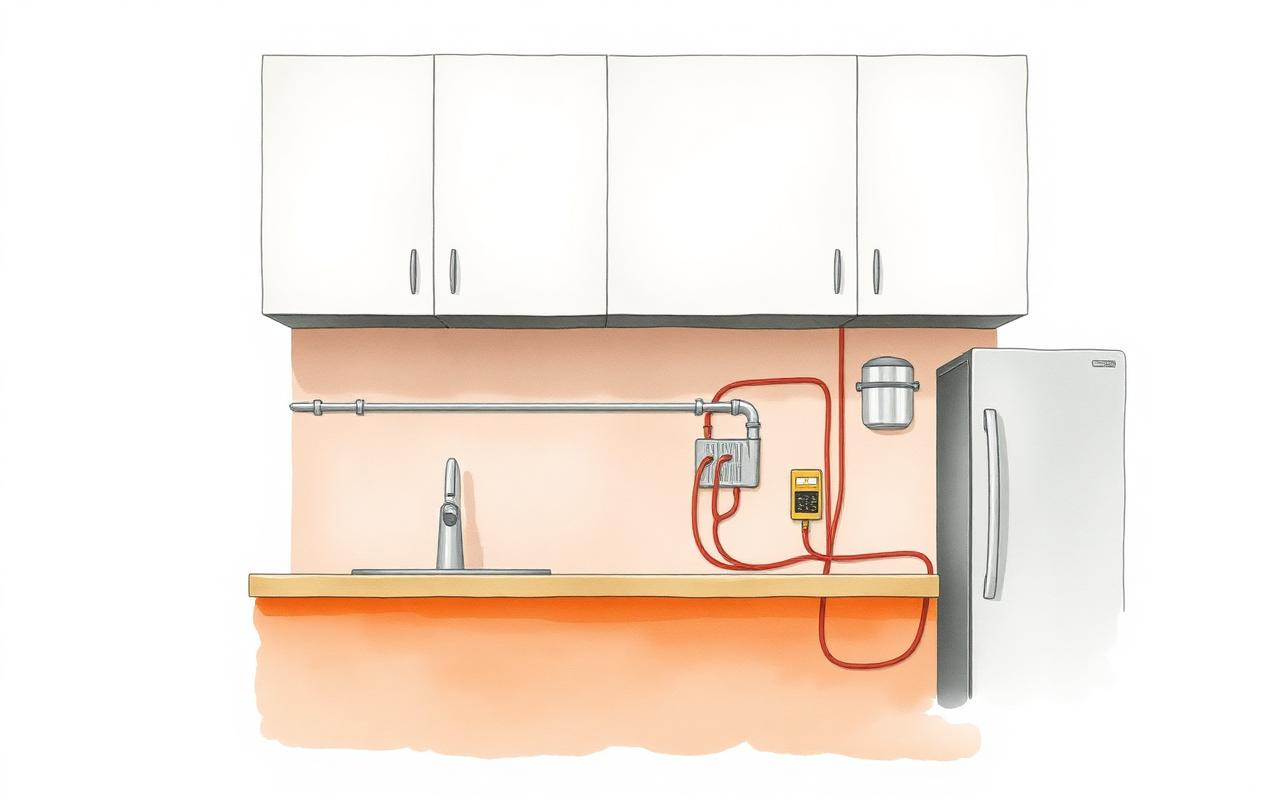
Renovated does not mean bad — it means ask better questions
There is a lazy way to talk about flipped homes: assume everything is hiding a problem. That is not fair, and it is not useful. Some renovated homes are thoughtfully planned, properly permitted, professionally completed, and well documented. Others are more cosmetic, rushed, incomplete, or unclear.
The inspection should not begin with bias. It should begin with questions: What was updated? What appears original? Were major systems changed? Is the workmanship consistent? Are there moisture clues? Was electrical altered? Was plumbing moved? Was HVAC changed? Are there documents? Does the visible work match the story?
Cosmetic renovation vs system renovation
A home can look new without having new systems. Fresh paint, flooring, cabinets, counters, fixtures, and staging can change how a home feels, but they do not necessarily tell you the age or condition of the roof, furnace, water heater, electrical panel, plumbing, attic ventilation, insulation, grading, drainage, windows, or foundation.
- Paint and flooring — improves appearance; does not confirm moisture history, wiring, or plumbing.
- Kitchen update — improves function and finishes; does not confirm electrical load, plumbing quality, venting, or permits.
- Bathroom renovation — improves fixtures and tile; does not confirm waterproofing details, fan discharge, or hidden leaks.
- Basement development — adds living space; can limit foundation visibility, moisture history, egress, and insulation review.
- Exterior refresh — adds curb appeal; does not confirm envelope details, drainage, flashing, or underlying rot.
Visible workmanship clues
Inspectors are not there to judge design taste. They are looking for visible clues about function, safety, durability, and consistency. In renovated homes, small details can help tell the story: uneven flooring transitions, missing cover plates, loose fixtures, poor caulking, unusual drain routing, unsupported plumbing, questionable electrical additions, patchy attic insulation, bathroom fans not vented properly, doors that do not latch, basement windows with egress questions, or exterior penetrations that are not sealed well.
One workmanship issue does not mean the whole renovation is poor. Patterns matter. Documentation matters. Scope matters.
Electrical, plumbing, and HVAC questions
Renovations often involve changes to electrical, plumbing, and HVAC systems. Walls move, kitchens relocate, basements get developed, bathrooms are added, laundry rooms shift, garages get heaters, and secondary spaces are created. Each change can be perfectly reasonable, but buyers should understand what was changed and whether the visible work suggests further review.
- Electrical — were circuits added or modified? Electrician review if visible concerns are noted.
- Plumbing — were fixtures added, moved, or altered? Plumber review for leaks, venting, drainage concerns.
- HVAC — was airflow changed by renovation? HVAC review if comfort or distribution concerns exist.
- Basement — were foundation walls covered? Understand inspection limitations and moisture history.
- Attic — were insulation or ventilation affected? Insulation/ventilation or roofing review where warranted.
Permits and documentation
A home inspector may see signs that renovation work occurred, but the inspector usually does not confirm permit history or legal compliance. Permit questions should be checked through the City of Calgary's online property and permit search and, where needed, qualified professionals.
Buyers can ask for renovation documentation such as invoices, permits where available, warranty details, contractor information, product manuals, electrical or plumbing records, and before/after scope summaries. Sellers who provide these documents can reduce uncertainty.
Buyer context
The question is not 'Was this home renovated?' The question is 'What does the renovation appear to include, and what remains unknown?' A renovated home can be a great purchase if the visible condition, documentation, price, location, and buyer comfort level line up. Do not let beautiful finishes prevent good questions — and do not assume every renovation is suspicious.
Seller context
Documentation is powerful. If work was completed by qualified contractors, permits were obtained where required, warranties exist, or major systems were upgraded, make those records available. A buyer may feel very differently about a renovated home when there is a clear paper trail. If documents are limited, the inspection may carry more weight because buyers will rely more heavily on visible condition and specialist follow-up.
When to ask for further evaluation
Further evaluation may be helpful if there are visible electrical concerns, plumbing leaks, unusual HVAC modifications, suspected structural changes, basement moisture clues, roof or exterior concerns, or unclear permit questions. The appropriate next step depends on the issue: electrician, plumber, HVAC technician, engineer, roofer, contractor, municipal records, insurer, or lawyer. That does not mean the home is a bad purchase. It means one part of the renovation story needs more clarity.
Related services
Frequently Asked Questions
- Are flipped homes bad to buy? +
- Not automatically. Some renovated homes are well planned and well executed. The inspection helps buyers understand visible workmanship, system changes, documentation, and areas that may need follow-up.
- Can a home inspector confirm permits? +
- A home inspector may identify visible signs of renovation work, but permit history usually needs to be confirmed through the municipality, seller documentation, or professional advice.
- What should buyers look for in a renovated home? +
- Visible workmanship, electrical and plumbing changes, HVAC modifications, basement development, moisture clues, exterior drainage, attic ventilation, and documentation.
- Should sellers provide renovation receipts? +
- Yes, if available. Receipts, permits, contractor invoices, warranties, and product information help buyers understand what was done.
- Does a nice renovation mean the systems are updated? +
- Not always. Cosmetic upgrades and system upgrades are different. A renovated kitchen or new flooring does not automatically mean electrical, plumbing, HVAC, attic, drainage, or roof issues were addressed.
- When should a specialist be called? +
- When visible findings suggest electrical, plumbing, HVAC, structural, moisture, roofing, or permit-related questions that are outside a standard inspection scope.
More guides
- Buying a Home in Calgary: The Inspection-Led Guide
A working Calgary home inspector's complete guide to buying a home — what to look for in every era and neighbourhood, how to use the inspection condition, common defects by housing type, and how to negotiate after the report.
- Selling a Home in Calgary: Pre-Listing Inspection Strategy
How a pre-listing home inspection changes a Calgary sale — what to fix, what to disclose, what to leave for the buyer's inspector, and how to use the report to defend price.
- New Build Inspections in Alberta
Independent new construction inspections in Alberta — when to book pre-board, pre-possession, and 11-month warranty inspections, what each catches, and how to use them with the Alberta New Home Warranty.
- Calgary Housing Stock by Era: Defects by Decade
A decade-by-decade reference for Calgary home buyers and homeowners — common defects, plumbing types, wiring, insulation, and inspection findings from 1950s bungalows to today's new builds.
- What Does a Calgary Home Inspection Include — And What Does It Not Include?
A Calgary home inspector explains exactly what a standard home inspection covers, what's conditionally included, what's outside scope, and how to use the report.
- Calgary Home Inspection Cost: What Changes the Price and What's Worth Paying For
What a Calgary home inspection actually costs in 2026, the property factors that move the price, why the cheapest quote is rarely the best, and what to ask before you book.
- Home Inspection Before Waiving Conditions in Calgary: Buyer Decision Guide
How to use the home inspection condition window in a Calgary purchase — separating major defects from maintenance, deciding when to renegotiate, and what to do under deadline pressure.
- New Build Inspection in Calgary: PDI, Possession, and Warranty Strategy
How a Calgary new build inspection differs from the builder PDI, when to schedule each, and how independent inspections protect your warranty documentation.
- The 25 Most Common Calgary Home Inspection Issues Buyers and Sellers See
A working Calgary inspector's list of the most common defects we report — hail roof wear, attic frost, grading, basement moisture, Poly-B, aluminum wiring, and more.
- Attic Frost, Ventilation, and Insulation in Calgary Homes: What It Really Means
Why attic frost shows up in Calgary winter inspections, what causes it, when it's serious, and how to fix the underlying ventilation and insulation problems.
- Poly-B, Aluminum Wiring, and Older Calgary Homes: What Buyers Need to Know
How to identify Poly-B plumbing and aluminum branch wiring in Calgary homes, what insurers and buyers actually care about, and how to handle the findings before condition removal.
- Pre-Listing Inspection Strategy for Calgary Sellers: Fix, Disclose, Price, or Leave Alone
How Calgary sellers should use a pre-listing inspection — what to fix, what to disclose, what to price into the listing, and what to leave alone.
- Calgary Condo Inspection Guide: Unit Inspection, Condo Documents, and Building Envelope
What a Calgary condo inspection covers and what it doesn't — the unit, the building envelope, common property, and the document review every condo buyer needs.
- Flipped & Renovated Calgary Home Inspection Red Flags
Renovated and flipped homes look great in photos — but the inspection often tells a different story. The red flags Calgary buyers should look for, inside and out.
- How to Prioritize Home Inspection Findings Without Overreacting
A calm, deal-aware framework for sorting Calgary home inspection findings into safety, major repair, further evaluation, maintenance, monitoring, and normal homeownership categories.
- Normal Wear and Tear vs a Defect in a Home Inspection
How a Calgary home inspector tells the difference between normal age-related wear and a real defect — with examples for roofs, furnaces, caulking, grading, windows, and decks.
- How to Use a Home Inspection in Negotiations Without Killing the Deal
A neutral, deal-aware Calgary guide to using inspection findings in negotiation — what's worth raising, what's better left alone, and how realtors keep the conversation constructive.
- When a Home Inspector Recommends a Specialist: What It Really Means
What 'further evaluation' actually means in a Calgary home inspection report — when an electrician, plumber, roofer, HVAC tech, structural engineer, sewer scope or radon test belongs in the picture.
- Why Calgary's Climate Changes How Home Inspections Should Be Read
Freeze-thaw, hail, attic frost, spring melt, dry chinooks and clay soils — how Calgary's climate creates context every buyer, seller and relocation buyer should understand before reading an inspection report.
- What a Home Inspection Cannot See — And Why That Does Not Make It Useless
An honest, scope-aware look at what a Calgary home inspection cannot see, why limitations are part of a responsible inspection, and how thermal imaging, sewer scopes, and add-ons reduce uncertainty.
- Calgary Home Inspections for Renovated Homes: What Buyers Should Understand
How to inspect a renovated or flipped Calgary home without anti-flip bias — workmanship clues, system updates vs cosmetic updates, permit and documentation questions, and when a specialist follow-up makes sense.
- Inspection Findings Sellers Can Document Before Listing
A practical Calgary seller guide to documenting maintenance, repairs, major-system age, warranties, permits and known conditions — reducing buyer uncertainty without overselling the home.
- Condo Inspection vs Condo Document Review in Calgary: Why You Usually Need Both
Calgary condo buyers often confuse a unit inspection with a condo document review. They answer different questions — and most buyers benefit from both.
- A Realtor's Guide to Keeping Home Inspection Conversations Calm and Useful
A practical communication guide for Calgary buyer agents and listing agents — setting expectations, managing inspection day, separating priorities, and using inspection findings to keep deals together.
- Roof Age vs Roof Condition in a Calgary Home Inspection
Roof age matters, but it's not the whole story. How a Calgary home inspector reads visible shingle condition, flashing, drainage, ventilation and past repairs — and what that means for buyers and sellers.
- Furnace Age vs Performance in a Calgary Home Inspection
Furnace age is one clue; performance, service history, venting, airflow and combustion-air observations matter just as much. How to read furnace findings in a Calgary inspection report calmly.
- Water Heater Age in a Home Inspection: Planning Item or Urgent Concern?
Water heater age is usually a planning item, not an emergency, unless visible leaks, unsafe venting, corrosion or installation concerns are present. How to read water heater findings in your Calgary inspection report.
- Minor Grading Issues in Calgary Home Inspections: What They Mean in Context
Minor grading issues mean the soil may not be moving water away from the foundation as well as it should. How a Calgary home inspector reads grading findings — and what's a quick fix vs a deeper concern.
- Moisture Stains in a Home Inspection: Old, Active, or Worth Watching?
A moisture stain doesn't automatically mean an active leak. How a Calgary home inspector reads basement, attic, ceiling, window and plumbing-area staining — and what next steps actually look like.
- Electrical Panel Findings in a Home Inspection: What Buyers Should Understand
Electrical panel findings deserve attention, but the meaning depends on the issue. How a Calgary home inspector reads panel observations, what defers to an electrician, and what's typical for older homes.
- Plumbing Materials in Calgary Home Inspections: Age, Risk, and Context
Poly-B, copper, PEX, galvanized, cast iron — what each plumbing material means in a Calgary home inspection report, and how to read material findings without panic.
- Basement Development Inspection in Calgary: What Buyers and Sellers Should Know
A developed basement adds usable space — but inspection context matters. How a Calgary home inspector reads moisture, egress, electrical, plumbing and workmanship clues in finished basements.
- Inspection Findings vs Repair Estimates: Why They Are Not the Same Thing
A home inspection finding identifies a visible condition. A repair estimate prices a defined scope of work. Why Calgary inspectors stop short of pricing — and how to use trade quotes during conditions.
- Home Inspection Findings in Older Calgary Homes: Context for Buyers and Sellers
Older Calgary homes — Mount Pleasant, Inglewood, Hillhurst, Mission — often have age-related findings, past renovations and documentation gaps. How to read those findings without unfairly discounting character homes.
- What to Expect on Home Inspection Day in Calgary
On home inspection day, buyers should expect a visual, non-invasive review of readily accessible systems, a walkthrough of key findings where possible, and...
- How Long Does a Home Inspection Take in Calgary?
A Calgary home inspection often takes a few hours, but timing depends on property size, age, complexity, access, weather, add-on services, and how many que...
- Home Inspection Condition Deadlines in Calgary: How Buyers Can Stay Organized
A home inspection condition deadline creates a short window to book the inspection, attend or review findings, ask follow-up questions, and decide whether ...
- Home Inspection Guide for First-Time Buyers in Calgary
A home inspection helps first-time buyers understand the visible condition of a property, how major systems work, what maintenance may be coming, and which...
- Home Inspections for Relocation Buyers Moving to Calgary
Relocation buyers can use a Calgary home inspection to understand local climate issues, property age differences, seasonal limitations, system condition, a...
- Home Inspections for Estate Sales in Calgary: What Buyers and Sellers Should Know
An estate-sale inspection can help buyers and sellers understand visible condition when maintenance history, documentation, or recent occupancy details may...
- Calgary Infill Home Inspections: Newer Does Not Mean No Questions
A Calgary infill inspection helps buyers understand visible workmanship, grading, drainage, roof and exterior details, mechanical systems, basement develop...
- Acreage Home Inspections Near Calgary: What Changes Outside the City
An acreage inspection can include the home itself, but buyers should also understand rural systems, outbuildings, site drainage, wells, septic, utilities, ...
- Luxury Home Inspections in Calgary: More Systems, More Context
A luxury home inspection often involves more systems, more finished space, more custom details, and more documentation questions. The goal is not to find r...
- Home Inspection Before Renovating in Calgary: What Owners Can Learn First
A pre-renovation inspection can help owners understand visible condition, moisture clues, electrical and plumbing concerns, attic and ventilation issues, a...
- Buying a Home With Past Basement Water History in Calgary
Past basement water history does not automatically mean a home should be avoided. Buyers should understand what happened, whether the source was addressed,...
- Smoke and Carbon Monoxide Alarms in Calgary Home Inspections
Smoke and carbon monoxide alarm findings are often practical safety and maintenance items. Inspectors may note missing, outdated, inaccessible, or improper...
- Stucco and Exterior Cracks in Calgary Home Inspections
Stucco/exterior cracks are common, visible, and often misunderstood. Strong Calgary relevance with infills and newer homes.
- Siding and Exterior Maintenance Findings in Calgary Home Inspections
Exterior maintenance is common and can be explained constructively. Strong seller prep and homeowner maintenance angle.
- Plumbing Leak or Condensation? How Home Inspectors Think About Moisture Clues
Moisture source confusion is common and highly searched. This page helps clarify without overclaiming.
- Sloping Floors in a Home Inspection: What Buyers Should Understand
Sloping floors are anxiety-inducing but context-dependent. Excellent for AEO and older-home buyer education.
- Cracks in Walls and Ceilings During a Home Inspection
Interior cracks are common and require nuance. This can rank for broad crack/report questions.
- Townhouse Home Inspections in Calgary: Unit, Exterior, and Shared Responsibility Context
Townhouse inspections have unique ownership and responsibility questions. Strong condo/townhouse search opportunity.
- Duplex and Semi-Detached Home Inspections in Calgary
Duplex/semi-detached properties have distinct shared-wall, roof, exterior, utility, suite, and ownership questions. Strong local real estate relevance.
- Pre-Listing Inspection vs Buyer Inspection in Calgary
Direct commercial comparison page that can route users into seller or buyer services.
- Buying an As-Is Home in Calgary: Why an Inspection Still Matters
A practical Calgary buyer guide explaining why an inspection still matters for as-is homes, estate sales, rentals, and investor properties.
- What a Calgary Home Inspection Cannot See — And Why That Does Not Make It Useless
A deep Calgary buyer and seller guide to what a home inspection cannot see, what those limits actually mean, and how to use the report anyway.
- Attic Frost vs Roof Leak in Calgary Homes: How Inspectors Think About the Clues
How Calgary inspectors think about attic frost versus roof leak clues — location, pattern, ventilation, fan discharge, and what each may mean.
- Do You Need a Sewer Scope With a Calgary Home Inspection?
A deep Calgary buyer guide explaining when a sewer scope may make sense, what a standard inspection does not include, and how to decide calmly.
- How to Read a Calgary Home Inspection Report Without Getting Overwhelmed
A deep Calgary buyer guide to reading a home inspection report, triaging findings, understanding limitations, and deciding what needs follow-up.
- Thermal Imaging in Calgary Home Inspections: What It Can Find — And What It Cannot
What thermal imaging actually does in a Calgary home inspection, where it helps, where it misleads, and how to read thermal findings without false confidence or false fear.
- Calgary Townhouse Inspection Guide: Unit, Exterior, Shared Walls, and Condo Responsibility
What a Calgary townhouse inspection actually covers — unit systems, shared walls, attached garages, roofs, exteriors, and the document review that goes with it.
Schedule your inspection
Online booking, evening and weekend availability across Calgary and area.