
Electrical Panel Findings in a Home Inspection: What Buyers Should Understand
The electrical panel is the most photographed component in a Calgary inspection report and one of the most varied in terms of what those photos actually mean. A double-tapped neutral and a Federal Pioneer Stab-Lok panel are both "electrical findings," but they're not in the same conversation. Sorting severity is the first job.
Direct answer
An inspection identifies visible panel conditions. It is not a code inspection, an electrician's diagnosis, or an insurance underwriting decision. Findings range from minor (missing labels) to substantial (double taps, double-lugged neutrals, signs of heat) to historically significant (specific panel models with documented field issues). Each tier has a different appropriate response.
What inspectors look for at panels
- Panel type, manufacturer, amperage, and main disconnect.
- Bonding and grounding at the main service.
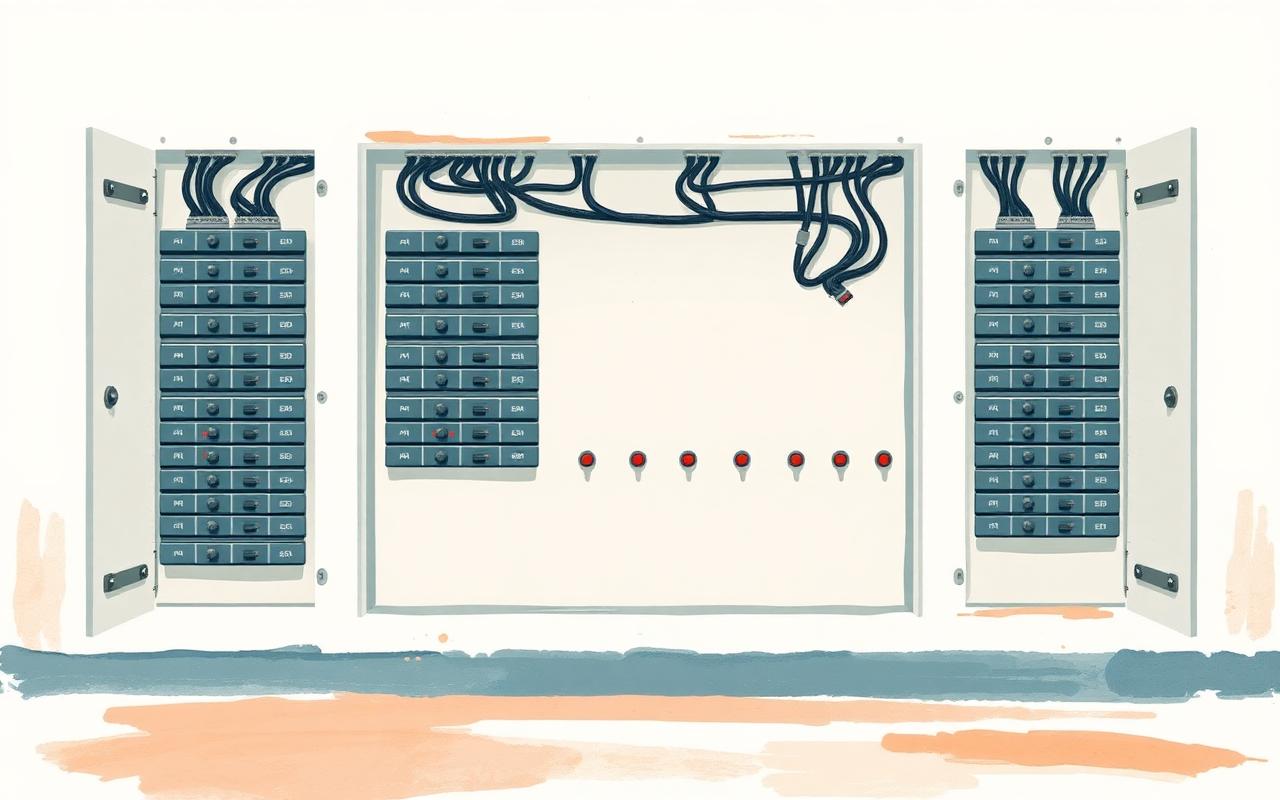
- Breaker condition, double-tapping, double-lugged neutrals, and obvious mismatches.
- Wire termination quality where visible at the bus.
- Signs of heat: discoloured insulation, melted plastic, scorching at terminations.
- Knockouts, blank covers, and dead-front condition.
- Labelling — present, accurate, legible.
- Clearance in front of the panel (not blocked).
- AFCI/GFCI protection where required by the home's age and renovation history.
Common visible findings
Typical Calgary panel notes include: missing or inaccurate breaker labels, double-tapped breakers (two conductors under a single screw), double-lugged neutrals at the bus, missing AFCI/GFCI protection at locations where the current code expects them, and aluminum branch wiring at receptacles in 1965–1975 builds. None of these are automatic emergencies; all of them are appropriate to refer to an electrician for confirmation and remediation.
Why some items need electrician review
The home inspector documents what is visible and identifies items that fall outside our scope to confirm or repair. "Recommend evaluation by a qualified electrician" isn't an alarm — it's the inspector saying "this needs trade-level confirmation, and possibly correction." An electrician can pull breakers, test terminations, verify panel ratings against field installation, and price remediation.
Older homes and renovations
Older Calgary homes — 1950s and earlier — sometimes still have remnants of knob-and-tube in unfinished basements or attics. Mid-century homes (1960s–early 1970s) often show 60- or 100-amp service panels and aluminum branch wiring. None of these mean the house is dangerous, but each has documented best-practice remediation paths and insurance implications worth understanding before closing.
Renovated homes are their own category — visible panel work is often clean, but the wiring behind the drywall is what an inspector cannot see. Permit records help, and so do invoices from the renovation electrician.
Insurance and documentation questions
Some Alberta carriers have specific rules around aluminum wiring, certain panel manufacturers (notably Federal Pioneer Stab-Lok), and 60-amp service. None of those are home-inspector verdicts, but the inspection report often surfaces the question. Confirm with your broker before closing.
How buyers can respond constructively
Sort the panel findings into tiers: housekeeping (labels, blank covers), service-level items an electrician fixes in a single visit (double taps, missing AFCI/GFCI), and structural items that involve panel replacement or significant remediation (Stab-Lok panels, undersized service, widespread aluminum wiring without remediation).
Get an electrician quote for tier-3 items before negotiation. The number turns a description into a manageable conversation.
How sellers can prepare
Sellers can request an electrician's pre-listing service call to address obvious housekeeping items, label the panel, and produce a current invoice. For homes with known panel-model concerns or aluminum wiring, having existing remediation paperwork or a permit history available short-circuits a lot of buyer anxiety.
Bottom line
Electrical findings range widely. Sort by severity, get an electrician quote where the report defers, confirm insurance treatment with your broker, and treat the report as a prompt for the right next conversation rather than a verdict on the whole home.
Related services
Related guides
Frequently Asked Questions
- Are electrical panel issues serious? +
- Some are; most aren't on their own. Severity ranges from missing labels to genuine safety items. The report should be specific about which tier each finding falls into.
- What does further evaluation by an electrician mean? +
- It means the finding needs trade-level confirmation and likely repair by a licensed electrician — not that the home is currently unsafe. It is the appropriate referral, not an alarm.
- Can a home inspector diagnose electrical repairs? +
- We identify visible conditions and refer specialist work to electricians. Diagnosis, repair, and code interpretation belong to a licensed trade.
- Should sellers fix electrical issues before listing? +
- Most housekeeping and service-level items, yes — they're inexpensive and remove easy items from a buyer's list. Larger remediation is a case-by-case decision based on age, market, and price.
- Can electrical findings affect insurance? +
- Yes. Aluminum wiring, certain panel models, and undersized service can affect underwriting. Confirm with your broker before closing.
- Are older panels always a problem? +
- No. Older panels can still be safe and serviceable. Specific manufacturers and configurations have documented field issues; many older panels do not. Context matters.
More guides
- Buying a Home in Calgary: The Inspection-Led Guide
A working Calgary home inspector's complete guide to buying a home — what to look for in every era and neighbourhood, how to use the inspection condition, common defects by housing type, and how to negotiate after the report.
- Selling a Home in Calgary: Pre-Listing Inspection Strategy
How a pre-listing home inspection changes a Calgary sale — what to fix, what to disclose, what to leave for the buyer's inspector, and how to use the report to defend price.
- New Build Inspections in Alberta
Independent new construction inspections in Alberta — when to book pre-board, pre-possession, and 11-month warranty inspections, what each catches, and how to use them with the Alberta New Home Warranty.
- Calgary Housing Stock by Era: Defects by Decade
A decade-by-decade reference for Calgary home buyers and homeowners — common defects, plumbing types, wiring, insulation, and inspection findings from 1950s bungalows to today's new builds.
- What Does a Calgary Home Inspection Include — And What Does It Not Include?
A Calgary home inspector explains exactly what a standard home inspection covers, what's conditionally included, what's outside scope, and how to use the report.
- Calgary Home Inspection Cost: What Changes the Price and What's Worth Paying For
What a Calgary home inspection actually costs in 2026, the property factors that move the price, why the cheapest quote is rarely the best, and what to ask before you book.
- Home Inspection Before Waiving Conditions in Calgary: Buyer Decision Guide
How to use the home inspection condition window in a Calgary purchase — separating major defects from maintenance, deciding when to renegotiate, and what to do under deadline pressure.
- New Build Inspection in Calgary: PDI, Possession, and Warranty Strategy
How a Calgary new build inspection differs from the builder PDI, when to schedule each, and how independent inspections protect your warranty documentation.
- The 25 Most Common Calgary Home Inspection Issues Buyers and Sellers See
A working Calgary inspector's list of the most common defects we report — hail roof wear, attic frost, grading, basement moisture, Poly-B, aluminum wiring, and more.
- Attic Frost, Ventilation, and Insulation in Calgary Homes: What It Really Means
Why attic frost shows up in Calgary winter inspections, what causes it, when it's serious, and how to fix the underlying ventilation and insulation problems.
- Poly-B, Aluminum Wiring, and Older Calgary Homes: What Buyers Need to Know
How to identify Poly-B plumbing and aluminum branch wiring in Calgary homes, what insurers and buyers actually care about, and how to handle the findings before condition removal.
- Pre-Listing Inspection Strategy for Calgary Sellers: Fix, Disclose, Price, or Leave Alone
How Calgary sellers should use a pre-listing inspection — what to fix, what to disclose, what to price into the listing, and what to leave alone.
- Calgary Condo Inspection Guide: Unit Inspection, Condo Documents, and Building Envelope
What a Calgary condo inspection covers and what it doesn't — the unit, the building envelope, common property, and the document review every condo buyer needs.
- Flipped & Renovated Calgary Home Inspection Red Flags
Renovated and flipped homes look great in photos — but the inspection often tells a different story. The red flags Calgary buyers should look for, inside and out.
- How to Prioritize Home Inspection Findings Without Overreacting
A calm, deal-aware framework for sorting Calgary home inspection findings into safety, major repair, further evaluation, maintenance, monitoring, and normal homeownership categories.
- Normal Wear and Tear vs a Defect in a Home Inspection
How a Calgary home inspector tells the difference between normal age-related wear and a real defect — with examples for roofs, furnaces, caulking, grading, windows, and decks.
- How to Use a Home Inspection in Negotiations Without Killing the Deal
A neutral, deal-aware Calgary guide to using inspection findings in negotiation — what's worth raising, what's better left alone, and how realtors keep the conversation constructive.
- When a Home Inspector Recommends a Specialist: What It Really Means
What 'further evaluation' actually means in a Calgary home inspection report — when an electrician, plumber, roofer, HVAC tech, structural engineer, sewer scope or radon test belongs in the picture.
- Why Calgary's Climate Changes How Home Inspections Should Be Read
Freeze-thaw, hail, attic frost, spring melt, dry chinooks and clay soils — how Calgary's climate creates context every buyer, seller and relocation buyer should understand before reading an inspection report.
- What a Home Inspection Cannot See — And Why That Does Not Make It Useless
An honest, scope-aware look at what a Calgary home inspection cannot see, why limitations are part of a responsible inspection, and how thermal imaging, sewer scopes, and add-ons reduce uncertainty.
- Calgary Home Inspections for Renovated Homes: What Buyers Should Understand
How to inspect a renovated or flipped Calgary home without anti-flip bias — workmanship clues, system updates vs cosmetic updates, permit and documentation questions, and when a specialist follow-up makes sense.
- Inspection Findings Sellers Can Document Before Listing
A practical Calgary seller guide to documenting maintenance, repairs, major-system age, warranties, permits and known conditions — reducing buyer uncertainty without overselling the home.
- Condo Inspection vs Condo Document Review in Calgary: Why You Usually Need Both
Calgary condo buyers often confuse a unit inspection with a condo document review. They answer different questions — and most buyers benefit from both.
- A Realtor's Guide to Keeping Home Inspection Conversations Calm and Useful
A practical communication guide for Calgary buyer agents and listing agents — setting expectations, managing inspection day, separating priorities, and using inspection findings to keep deals together.
- Roof Age vs Roof Condition in a Calgary Home Inspection
Roof age matters, but it's not the whole story. How a Calgary home inspector reads visible shingle condition, flashing, drainage, ventilation and past repairs — and what that means for buyers and sellers.
- Furnace Age vs Performance in a Calgary Home Inspection
Furnace age is one clue; performance, service history, venting, airflow and combustion-air observations matter just as much. How to read furnace findings in a Calgary inspection report calmly.
- Water Heater Age in a Home Inspection: Planning Item or Urgent Concern?
Water heater age is usually a planning item, not an emergency, unless visible leaks, unsafe venting, corrosion or installation concerns are present. How to read water heater findings in your Calgary inspection report.
- Minor Grading Issues in Calgary Home Inspections: What They Mean in Context
Minor grading issues mean the soil may not be moving water away from the foundation as well as it should. How a Calgary home inspector reads grading findings — and what's a quick fix vs a deeper concern.
- Moisture Stains in a Home Inspection: Old, Active, or Worth Watching?
A moisture stain doesn't automatically mean an active leak. How a Calgary home inspector reads basement, attic, ceiling, window and plumbing-area staining — and what next steps actually look like.
- Plumbing Materials in Calgary Home Inspections: Age, Risk, and Context
Poly-B, copper, PEX, galvanized, cast iron — what each plumbing material means in a Calgary home inspection report, and how to read material findings without panic.
- Basement Development Inspection in Calgary: What Buyers and Sellers Should Know
A developed basement adds usable space — but inspection context matters. How a Calgary home inspector reads moisture, egress, electrical, plumbing and workmanship clues in finished basements.
- Inspection Findings vs Repair Estimates: Why They Are Not the Same Thing
A home inspection finding identifies a visible condition. A repair estimate prices a defined scope of work. Why Calgary inspectors stop short of pricing — and how to use trade quotes during conditions.
- Home Inspection Findings in Older Calgary Homes: Context for Buyers and Sellers
Older Calgary homes — Mount Pleasant, Inglewood, Hillhurst, Mission — often have age-related findings, past renovations and documentation gaps. How to read those findings without unfairly discounting character homes.
- What to Expect on Home Inspection Day in Calgary
On home inspection day, buyers should expect a visual, non-invasive review of readily accessible systems, a walkthrough of key findings where possible, and...
- How Long Does a Home Inspection Take in Calgary?
A Calgary home inspection often takes a few hours, but timing depends on property size, age, complexity, access, weather, add-on services, and how many que...
- Home Inspection Condition Deadlines in Calgary: How Buyers Can Stay Organized
A home inspection condition deadline creates a short window to book the inspection, attend or review findings, ask follow-up questions, and decide whether ...
- Home Inspection Guide for First-Time Buyers in Calgary
A home inspection helps first-time buyers understand the visible condition of a property, how major systems work, what maintenance may be coming, and which...
- Home Inspections for Relocation Buyers Moving to Calgary
Relocation buyers can use a Calgary home inspection to understand local climate issues, property age differences, seasonal limitations, system condition, a...
- Home Inspections for Estate Sales in Calgary: What Buyers and Sellers Should Know
An estate-sale inspection can help buyers and sellers understand visible condition when maintenance history, documentation, or recent occupancy details may...
- Calgary Infill Home Inspections: Newer Does Not Mean No Questions
A Calgary infill inspection helps buyers understand visible workmanship, grading, drainage, roof and exterior details, mechanical systems, basement develop...
- Acreage Home Inspections Near Calgary: What Changes Outside the City
An acreage inspection can include the home itself, but buyers should also understand rural systems, outbuildings, site drainage, wells, septic, utilities, ...
- Luxury Home Inspections in Calgary: More Systems, More Context
A luxury home inspection often involves more systems, more finished space, more custom details, and more documentation questions. The goal is not to find r...
- Home Inspection Before Renovating in Calgary: What Owners Can Learn First
A pre-renovation inspection can help owners understand visible condition, moisture clues, electrical and plumbing concerns, attic and ventilation issues, a...
- Buying a Home With Past Basement Water History in Calgary
Past basement water history does not automatically mean a home should be avoided. Buyers should understand what happened, whether the source was addressed,...
- Smoke and Carbon Monoxide Alarms in Calgary Home Inspections
Smoke and carbon monoxide alarm findings are often practical safety and maintenance items. Inspectors may note missing, outdated, inaccessible, or improper...
- Stucco and Exterior Cracks in Calgary Home Inspections
Stucco/exterior cracks are common, visible, and often misunderstood. Strong Calgary relevance with infills and newer homes.
- Siding and Exterior Maintenance Findings in Calgary Home Inspections
Exterior maintenance is common and can be explained constructively. Strong seller prep and homeowner maintenance angle.
- Plumbing Leak or Condensation? How Home Inspectors Think About Moisture Clues
Moisture source confusion is common and highly searched. This page helps clarify without overclaiming.
- Sloping Floors in a Home Inspection: What Buyers Should Understand
Sloping floors are anxiety-inducing but context-dependent. Excellent for AEO and older-home buyer education.
- Cracks in Walls and Ceilings During a Home Inspection
Interior cracks are common and require nuance. This can rank for broad crack/report questions.
- Townhouse Home Inspections in Calgary: Unit, Exterior, and Shared Responsibility Context
Townhouse inspections have unique ownership and responsibility questions. Strong condo/townhouse search opportunity.
- Duplex and Semi-Detached Home Inspections in Calgary
Duplex/semi-detached properties have distinct shared-wall, roof, exterior, utility, suite, and ownership questions. Strong local real estate relevance.
- Pre-Listing Inspection vs Buyer Inspection in Calgary
Direct commercial comparison page that can route users into seller or buyer services.
- Buying an As-Is Home in Calgary: Why an Inspection Still Matters
A practical Calgary buyer guide explaining why an inspection still matters for as-is homes, estate sales, rentals, and investor properties.
- What a Calgary Home Inspection Cannot See — And Why That Does Not Make It Useless
A deep Calgary buyer and seller guide to what a home inspection cannot see, what those limits actually mean, and how to use the report anyway.
- Attic Frost vs Roof Leak in Calgary Homes: How Inspectors Think About the Clues
How Calgary inspectors think about attic frost versus roof leak clues — location, pattern, ventilation, fan discharge, and what each may mean.
- Do You Need a Sewer Scope With a Calgary Home Inspection?
A deep Calgary buyer guide explaining when a sewer scope may make sense, what a standard inspection does not include, and how to decide calmly.
- How to Read a Calgary Home Inspection Report Without Getting Overwhelmed
A deep Calgary buyer guide to reading a home inspection report, triaging findings, understanding limitations, and deciding what needs follow-up.
- Thermal Imaging in Calgary Home Inspections: What It Can Find — And What It Cannot
What thermal imaging actually does in a Calgary home inspection, where it helps, where it misleads, and how to read thermal findings without false confidence or false fear.
- Calgary Townhouse Inspection Guide: Unit, Exterior, Shared Walls, and Condo Responsibility
What a Calgary townhouse inspection actually covers — unit systems, shared walls, attached garages, roofs, exteriors, and the document review that goes with it.
- Calgary Home Inspections for Renovated or Flipped Homes: What Buyers Should Understand
A calm Calgary buyer guide to inspecting renovated and flipped homes — workmanship, systems, permits, documentation, and hidden limitations.
Schedule your inspection
Online booking, evening and weekend availability across Calgary and area.