
Minor Grading Issues in Calgary Home Inspections: What They Mean in Context
Grading is one of the most common findings in Calgary inspection reports and one of the most consistently misunderstood. Soils settle, lawns and beds get rebuilt, and downspout extensions get moved. The question is rarely whether grading is perfect — almost no Calgary lot is — but whether it's adequate to keep water away from the foundation under the rain and snowmelt the home actually sees.
Direct answer
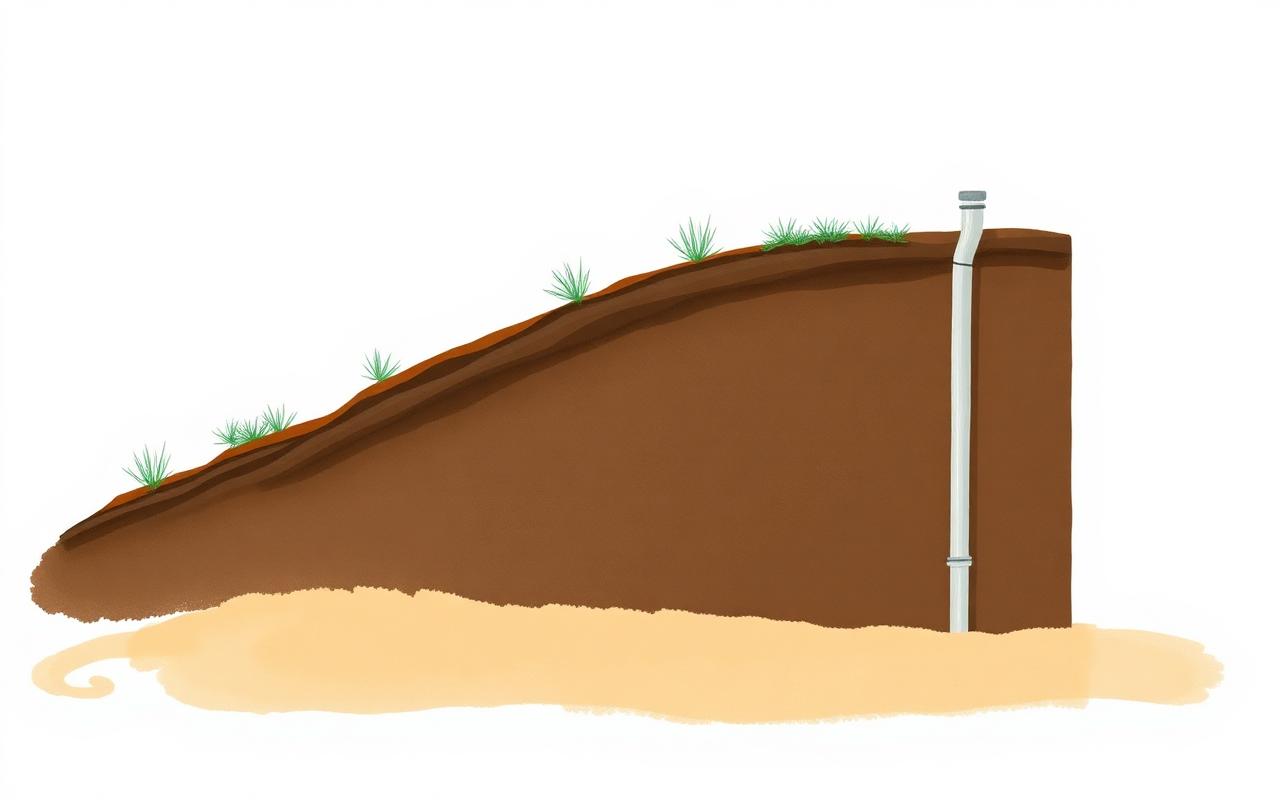
Standard practice asks for roughly 6 inches of fall over the first 6 to 10 feet from the foundation, with downspouts discharging at least that distance away. "Minor grading issues" usually means the slope is shallower than ideal in places, or downspout extensions are short or missing — both of which are typically improvable with weekend yard work, not excavation.
What grading means in a home inspection
Grading is the slope of the ground around the foundation. Its job is to direct surface water — rain, melting snow, irrigation overspray — away from the basement wall before it can pool, soak the soil, and pressure-test the foundation's waterproofing membrane. The finding in your report is usually a description of how well that's happening on the day of inspection.
Why Calgary grading changes over time
Calgary sits on clay-rich soils that swell when wet and shrink when dry. New builds in Mahogany, Auburn Bay, Cranston and similar communities are graded carefully at handover, then settle measurably over the first three to seven years. Established communities have decades of landscaping, garden rebuilds, deck additions and trampoline pads on top of the original grade. Mature trees pull moisture from soil unevenly and create localized depressions.
All of this means most Calgary lots show some grading drift over time. The relevant question in the report is whether the drift is producing water symptoms — not whether the slope matches the original survey.
Minor grading vs active moisture concern
A minor grading note is something like "slope is flat for the first three feet at the south wall — recommend rebuilding fall away from the foundation." There's no staining inside, no efflorescence on the basement wall, no visible water entry. That's a maintenance item.
An active moisture concern is the same observation paired with damp drywall in the basement, efflorescence (white salt crystals) on the foundation wall, peeling paint at the base of an interior wall, or moisture-meter readings above ambient. Now the grading isn't just suboptimal — it has measurable consequences. The inspector's recommendation will reflect that.
What inspectors can observe
- Slope and direction at all visible exterior walls.
- Downspout discharge location, extension length, and discharge direction.
- Window-well condition and drainage.
- Concrete pads (driveways, patios, walkways) and whether they slope toward or away from the foundation.
- Any visible water staining, efflorescence, or moisture symptoms on the interior side of foundation walls.
- Sump pit and pump condition where present and accessible.
Simple maintenance improvements
Many Calgary grading findings are addressed without trades: lengthening a downspout extension to 6+ feet, adding a few yards of clay-loam topsoil to rebuild fall along a wall, regrading a flower bed away from the foundation, or installing a window-well cover. Total cost is often under $500 in materials. The report's role is to flag that the work is needed; the homeowner or landscaper does it.
When further drainage review is useful
Grading findings that come with active interior water symptoms warrant a deeper look — a drainage contractor, a foundation specialist, or an engineer depending on the symptoms. Same for any property with a known history of water in the basement, a sump pit that runs constantly, or a window well that floods during normal rain events.
Buyer and seller context
Buyers should treat minor grading notes the same way they treat any maintenance item — read the report, understand it, plan the fix into year one. Sellers preparing for listing can address obvious grading and downspout issues themselves; doing so removes one of the most common items that shows up on a buyer's list.
Bottom line
Most Calgary grading findings are practical maintenance items, not structural concerns. The decision driver is whether the finding is paired with active water symptoms inside the home. If it is, the conversation moves from yard work to drainage review. If it isn't, a downspout extension and a few yards of soil usually settle it.
Related services
Related guides
Service areas
Frequently Asked Questions
- Are grading issues serious? +
- It depends on whether they're producing water symptoms inside the home. Slope alone is a maintenance item; slope plus interior moisture is a deeper question.
- Can grading be fixed after buying? +
- Yes — most minor grading findings are addressed by the homeowner or a landscaper for a few hundred dollars. Major regrading near the foundation, drainage tile, or sump installation is a contractor job and a bigger budget.
- Does negative grading mean the basement will leak? +
- Not necessarily. It means surface water isn't being directed away as well as it should be. Whether that translates to interior water depends on soil, waterproofing, weather, and time.
- Should sellers fix grading before listing? +
- Yes if obvious — downspout extensions and visible negative slope are inexpensive to address and remove an easy item from a buyer's renegotiation list.
- What does an inspector look for around the foundation? +
- Slope direction and length, downspout discharge, window-well drainage, surrounding hardscape, and any interior or exterior moisture symptoms that suggest the grading isn't doing its job.
- Can grading affect negotiations? +
- Minor grading rarely drives renegotiation on its own. Grading paired with interior moisture, sump activity, or a history of basement water is a much more substantive conversation.
More guides
- Buying a Home in Calgary: The Inspection-Led Guide
A working Calgary home inspector's complete guide to buying a home — what to look for in every era and neighbourhood, how to use the inspection condition, common defects by housing type, and how to negotiate after the report.
- Selling a Home in Calgary: Pre-Listing Inspection Strategy
How a pre-listing home inspection changes a Calgary sale — what to fix, what to disclose, what to leave for the buyer's inspector, and how to use the report to defend price.
- New Build Inspections in Alberta
Independent new construction inspections in Alberta — when to book pre-board, pre-possession, and 11-month warranty inspections, what each catches, and how to use them with the Alberta New Home Warranty.
- Calgary Housing Stock by Era: Defects by Decade
A decade-by-decade reference for Calgary home buyers and homeowners — common defects, plumbing types, wiring, insulation, and inspection findings from 1950s bungalows to today's new builds.
- What Does a Calgary Home Inspection Include — And What Does It Not Include?
A Calgary home inspector explains exactly what a standard home inspection covers, what's conditionally included, what's outside scope, and how to use the report.
- Calgary Home Inspection Cost: What Changes the Price and What's Worth Paying For
What a Calgary home inspection actually costs in 2026, the property factors that move the price, why the cheapest quote is rarely the best, and what to ask before you book.
- Home Inspection Before Waiving Conditions in Calgary: Buyer Decision Guide
How to use the home inspection condition window in a Calgary purchase — separating major defects from maintenance, deciding when to renegotiate, and what to do under deadline pressure.
- New Build Inspection in Calgary: PDI, Possession, and Warranty Strategy
How a Calgary new build inspection differs from the builder PDI, when to schedule each, and how independent inspections protect your warranty documentation.
- The 25 Most Common Calgary Home Inspection Issues Buyers and Sellers See
A working Calgary inspector's list of the most common defects we report — hail roof wear, attic frost, grading, basement moisture, Poly-B, aluminum wiring, and more.
- Attic Frost, Ventilation, and Insulation in Calgary Homes: What It Really Means
Why attic frost shows up in Calgary winter inspections, what causes it, when it's serious, and how to fix the underlying ventilation and insulation problems.
- Poly-B, Aluminum Wiring, and Older Calgary Homes: What Buyers Need to Know
How to identify Poly-B plumbing and aluminum branch wiring in Calgary homes, what insurers and buyers actually care about, and how to handle the findings before condition removal.
- Pre-Listing Inspection Strategy for Calgary Sellers: Fix, Disclose, Price, or Leave Alone
How Calgary sellers should use a pre-listing inspection — what to fix, what to disclose, what to price into the listing, and what to leave alone.
- Calgary Condo Inspection Guide: Unit Inspection, Condo Documents, and Building Envelope
What a Calgary condo inspection covers and what it doesn't — the unit, the building envelope, common property, and the document review every condo buyer needs.
- Flipped & Renovated Calgary Home Inspection Red Flags
Renovated and flipped homes look great in photos — but the inspection often tells a different story. The red flags Calgary buyers should look for, inside and out.
- How to Prioritize Home Inspection Findings Without Overreacting
A calm, deal-aware framework for sorting Calgary home inspection findings into safety, major repair, further evaluation, maintenance, monitoring, and normal homeownership categories.
- Normal Wear and Tear vs a Defect in a Home Inspection
How a Calgary home inspector tells the difference between normal age-related wear and a real defect — with examples for roofs, furnaces, caulking, grading, windows, and decks.
- How to Use a Home Inspection in Negotiations Without Killing the Deal
A neutral, deal-aware Calgary guide to using inspection findings in negotiation — what's worth raising, what's better left alone, and how realtors keep the conversation constructive.
- When a Home Inspector Recommends a Specialist: What It Really Means
What 'further evaluation' actually means in a Calgary home inspection report — when an electrician, plumber, roofer, HVAC tech, structural engineer, sewer scope or radon test belongs in the picture.
- Why Calgary's Climate Changes How Home Inspections Should Be Read
Freeze-thaw, hail, attic frost, spring melt, dry chinooks and clay soils — how Calgary's climate creates context every buyer, seller and relocation buyer should understand before reading an inspection report.
- What a Home Inspection Cannot See — And Why That Does Not Make It Useless
An honest, scope-aware look at what a Calgary home inspection cannot see, why limitations are part of a responsible inspection, and how thermal imaging, sewer scopes, and add-ons reduce uncertainty.
- Calgary Home Inspections for Renovated Homes: What Buyers Should Understand
How to inspect a renovated or flipped Calgary home without anti-flip bias — workmanship clues, system updates vs cosmetic updates, permit and documentation questions, and when a specialist follow-up makes sense.
- Inspection Findings Sellers Can Document Before Listing
A practical Calgary seller guide to documenting maintenance, repairs, major-system age, warranties, permits and known conditions — reducing buyer uncertainty without overselling the home.
- Condo Inspection vs Condo Document Review in Calgary: Why You Usually Need Both
Calgary condo buyers often confuse a unit inspection with a condo document review. They answer different questions — and most buyers benefit from both.
- A Realtor's Guide to Keeping Home Inspection Conversations Calm and Useful
A practical communication guide for Calgary buyer agents and listing agents — setting expectations, managing inspection day, separating priorities, and using inspection findings to keep deals together.
- Roof Age vs Roof Condition in a Calgary Home Inspection
Roof age matters, but it's not the whole story. How a Calgary home inspector reads visible shingle condition, flashing, drainage, ventilation and past repairs — and what that means for buyers and sellers.
- Furnace Age vs Performance in a Calgary Home Inspection
Furnace age is one clue; performance, service history, venting, airflow and combustion-air observations matter just as much. How to read furnace findings in a Calgary inspection report calmly.
- Water Heater Age in a Home Inspection: Planning Item or Urgent Concern?
Water heater age is usually a planning item, not an emergency, unless visible leaks, unsafe venting, corrosion or installation concerns are present. How to read water heater findings in your Calgary inspection report.
- Moisture Stains in a Home Inspection: Old, Active, or Worth Watching?
A moisture stain doesn't automatically mean an active leak. How a Calgary home inspector reads basement, attic, ceiling, window and plumbing-area staining — and what next steps actually look like.
- Electrical Panel Findings in a Home Inspection: What Buyers Should Understand
Electrical panel findings deserve attention, but the meaning depends on the issue. How a Calgary home inspector reads panel observations, what defers to an electrician, and what's typical for older homes.
- Plumbing Materials in Calgary Home Inspections: Age, Risk, and Context
Poly-B, copper, PEX, galvanized, cast iron — what each plumbing material means in a Calgary home inspection report, and how to read material findings without panic.
- Basement Development Inspection in Calgary: What Buyers and Sellers Should Know
A developed basement adds usable space — but inspection context matters. How a Calgary home inspector reads moisture, egress, electrical, plumbing and workmanship clues in finished basements.
- Inspection Findings vs Repair Estimates: Why They Are Not the Same Thing
A home inspection finding identifies a visible condition. A repair estimate prices a defined scope of work. Why Calgary inspectors stop short of pricing — and how to use trade quotes during conditions.
- Home Inspection Findings in Older Calgary Homes: Context for Buyers and Sellers
Older Calgary homes — Mount Pleasant, Inglewood, Hillhurst, Mission — often have age-related findings, past renovations and documentation gaps. How to read those findings without unfairly discounting character homes.
- What to Expect on Home Inspection Day in Calgary
On home inspection day, buyers should expect a visual, non-invasive review of readily accessible systems, a walkthrough of key findings where possible, and...
- How Long Does a Home Inspection Take in Calgary?
A Calgary home inspection often takes a few hours, but timing depends on property size, age, complexity, access, weather, add-on services, and how many que...
- Home Inspection Condition Deadlines in Calgary: How Buyers Can Stay Organized
A home inspection condition deadline creates a short window to book the inspection, attend or review findings, ask follow-up questions, and decide whether ...
- Home Inspection Guide for First-Time Buyers in Calgary
A home inspection helps first-time buyers understand the visible condition of a property, how major systems work, what maintenance may be coming, and which...
- Home Inspections for Relocation Buyers Moving to Calgary
Relocation buyers can use a Calgary home inspection to understand local climate issues, property age differences, seasonal limitations, system condition, a...
- Home Inspections for Estate Sales in Calgary: What Buyers and Sellers Should Know
An estate-sale inspection can help buyers and sellers understand visible condition when maintenance history, documentation, or recent occupancy details may...
- Calgary Infill Home Inspections: Newer Does Not Mean No Questions
A Calgary infill inspection helps buyers understand visible workmanship, grading, drainage, roof and exterior details, mechanical systems, basement develop...
- Acreage Home Inspections Near Calgary: What Changes Outside the City
An acreage inspection can include the home itself, but buyers should also understand rural systems, outbuildings, site drainage, wells, septic, utilities, ...
- Luxury Home Inspections in Calgary: More Systems, More Context
A luxury home inspection often involves more systems, more finished space, more custom details, and more documentation questions. The goal is not to find r...
- Home Inspection Before Renovating in Calgary: What Owners Can Learn First
A pre-renovation inspection can help owners understand visible condition, moisture clues, electrical and plumbing concerns, attic and ventilation issues, a...
- Buying a Home With Past Basement Water History in Calgary
Past basement water history does not automatically mean a home should be avoided. Buyers should understand what happened, whether the source was addressed,...
- Smoke and Carbon Monoxide Alarms in Calgary Home Inspections
Smoke and carbon monoxide alarm findings are often practical safety and maintenance items. Inspectors may note missing, outdated, inaccessible, or improper...
- Stucco and Exterior Cracks in Calgary Home Inspections
Stucco/exterior cracks are common, visible, and often misunderstood. Strong Calgary relevance with infills and newer homes.
- Siding and Exterior Maintenance Findings in Calgary Home Inspections
Exterior maintenance is common and can be explained constructively. Strong seller prep and homeowner maintenance angle.
- Plumbing Leak or Condensation? How Home Inspectors Think About Moisture Clues
Moisture source confusion is common and highly searched. This page helps clarify without overclaiming.
- Sloping Floors in a Home Inspection: What Buyers Should Understand
Sloping floors are anxiety-inducing but context-dependent. Excellent for AEO and older-home buyer education.
- Cracks in Walls and Ceilings During a Home Inspection
Interior cracks are common and require nuance. This can rank for broad crack/report questions.
- Townhouse Home Inspections in Calgary: Unit, Exterior, and Shared Responsibility Context
Townhouse inspections have unique ownership and responsibility questions. Strong condo/townhouse search opportunity.
- Duplex and Semi-Detached Home Inspections in Calgary
Duplex/semi-detached properties have distinct shared-wall, roof, exterior, utility, suite, and ownership questions. Strong local real estate relevance.
- Pre-Listing Inspection vs Buyer Inspection in Calgary
Direct commercial comparison page that can route users into seller or buyer services.
- Buying an As-Is Home in Calgary: Why an Inspection Still Matters
A practical Calgary buyer guide explaining why an inspection still matters for as-is homes, estate sales, rentals, and investor properties.
- What a Calgary Home Inspection Cannot See — And Why That Does Not Make It Useless
A deep Calgary buyer and seller guide to what a home inspection cannot see, what those limits actually mean, and how to use the report anyway.
- Attic Frost vs Roof Leak in Calgary Homes: How Inspectors Think About the Clues
How Calgary inspectors think about attic frost versus roof leak clues — location, pattern, ventilation, fan discharge, and what each may mean.
- Do You Need a Sewer Scope With a Calgary Home Inspection?
A deep Calgary buyer guide explaining when a sewer scope may make sense, what a standard inspection does not include, and how to decide calmly.
- How to Read a Calgary Home Inspection Report Without Getting Overwhelmed
A deep Calgary buyer guide to reading a home inspection report, triaging findings, understanding limitations, and deciding what needs follow-up.
- Thermal Imaging in Calgary Home Inspections: What It Can Find — And What It Cannot
What thermal imaging actually does in a Calgary home inspection, where it helps, where it misleads, and how to read thermal findings without false confidence or false fear.
- Calgary Townhouse Inspection Guide: Unit, Exterior, Shared Walls, and Condo Responsibility
What a Calgary townhouse inspection actually covers — unit systems, shared walls, attached garages, roofs, exteriors, and the document review that goes with it.
- Calgary Home Inspections for Renovated or Flipped Homes: What Buyers Should Understand
A calm Calgary buyer guide to inspecting renovated and flipped homes — workmanship, systems, permits, documentation, and hidden limitations.
Schedule your inspection
Online booking, evening and weekend availability across Calgary and area.