
Water systems first
Anything outside that holds water will burst when it freezes. Drain hose bibs, irrigation lines, unused hot tubs, and rain barrels. Insulate any exposed pipe in the garage, crawl space, or unheated mechanical room. For vacant units, set the thermostat no lower than 15°C and consider draining the system entirely.
Envelope second
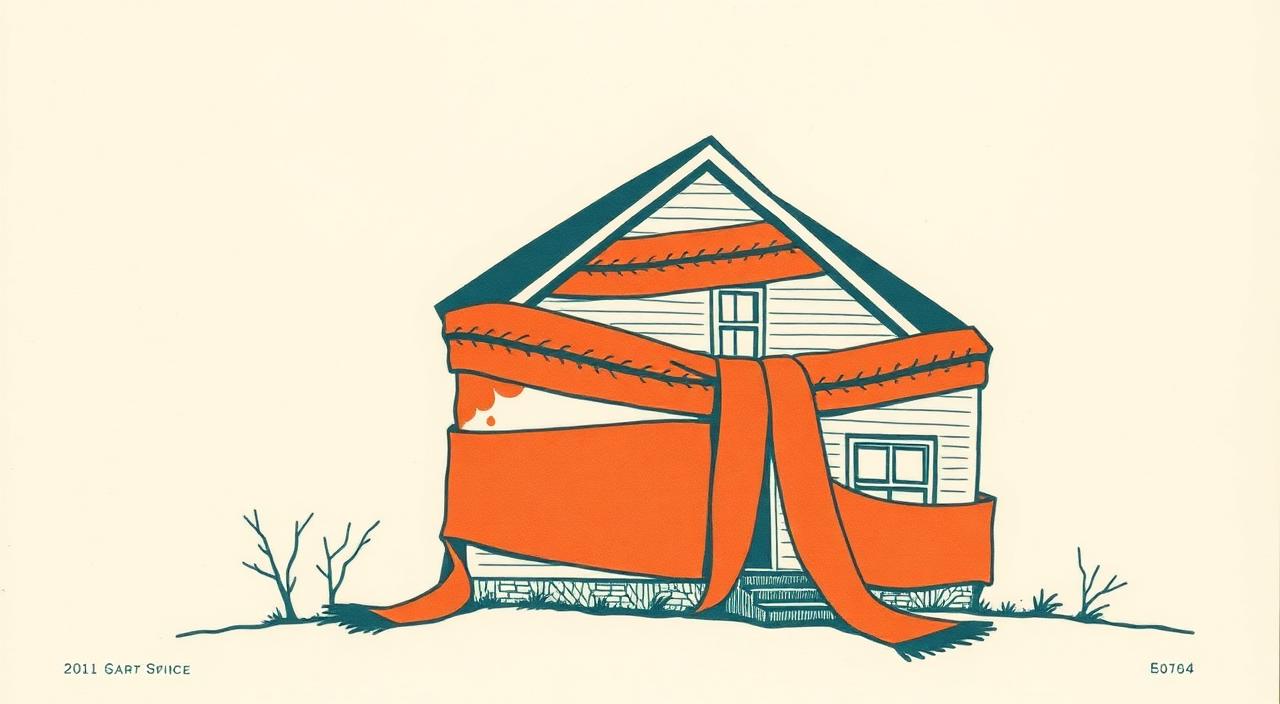
Every gap that lets cold air in also lets warm moist air out — and that warm moist air is what condenses inside walls, attics, and rim joists, eventually causing rot or mould. Replace exterior weatherstripping, re-caulk separated joints, and confirm the attic hatch is sealed and insulated. Foam gaskets behind exterior-wall outlet covers take five minutes and noticeably reduce drafts.
Mechanical readiness
Furnace serviced, filter fresh, humidifier operating with bypass closed, thermostat batteries replaced, CO and smoke alarms tested. Confirm exhaust vents (dryer, range, bathroom fans, HRV) are not blocked by snow drifts as winter progresses — frozen exhaust causes condensation and backdrafting.
Roof and drainage
Final eavestrough cleanout, roof rake on hand if you live in an ice-damming-prone area, and downspout extensions secured. If you have a history of ice damming on a particular slope, address the root cause (attic air leakage and insulation) rather than reinstalling heat cables every year.
Emergency readiness
Know where the main water shutoff is — and confirm it actually closes — before a 2 a.m. burst. Keep a snow shovel inside the house, not just in the garage you can't reach. Have CO alarms within 5 metres of every sleeping area; furnace and water-heater backdrafting is a real winter risk in tightly sealed Calgary homes.
