
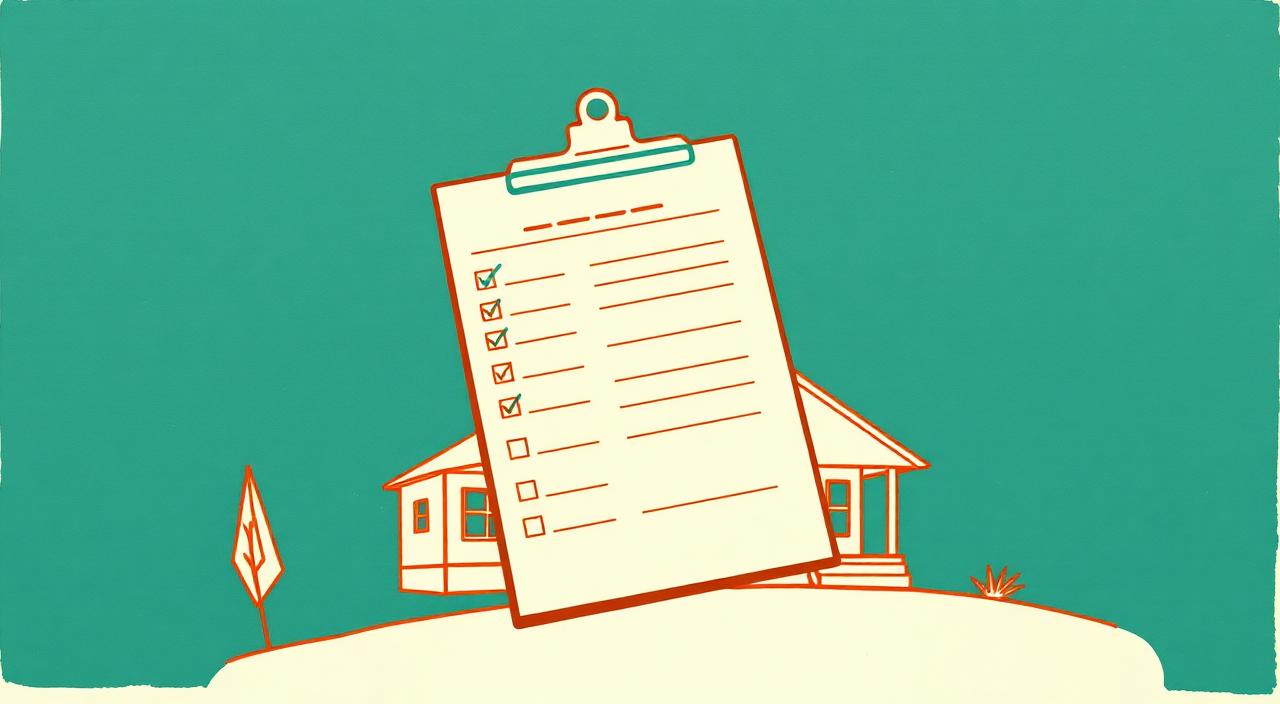
Before the inspection
Confirm gas, water, and power are all live at the property — without utilities, the furnace, hot water tank, and plumbing cannot be tested and you'll need a re-inspection at additional cost. Arrange access for the attic hatch, mechanical room, electrical panel, and any locked detached structures. Move stored items away from the panel, furnace, and hot water tank — inspectors cannot evaluate what they can't reach.
During the inspection — what to bring
Plan to attend the last 45–60 minutes. Bring a notepad and your phone for photos. Showing up at the start slows the inspector and gives you less context; showing up at the end means systems have been evaluated and the inspector can walk the home with you as a system.
During the inspection — what to ask
Ask the inspector to physically show you the main water shutoff, gas shutoff, electrical panel, furnace filter location, humidifier bypass, HRV controls, sump pump (if any), and any unusual valves. These are the controls you'll use as a homeowner — knowing them on day one is worth more than any single line in the report.
After the inspection — read the full report
Don't read just the summary. Group every finding into one of four buckets: safety (act now), major repair (negotiate or budget), deferred maintenance (1–5 year plan), or monitor. The safety and major-repair items drive your decision and any negotiation.
Calgary-specific items to confirm
Verify the report addresses: poly-B or Kitec presence, aluminum branch wiring, furnace and hot-water-tank age (Calgary's hard water shortens tank life), roof age and any ice-damming evidence, attic ventilation and frost, foundation cracks, grading and drainage, and any signs of past basement water entry.
Get quotes before removing conditions
For anything significant — roof replacement, furnace replacement, poly-B or Kitec re-pipe, aluminum-wiring remediation, foundation work — get a written quote during the condition window. Real numbers beat estimates when negotiating with a seller.
