
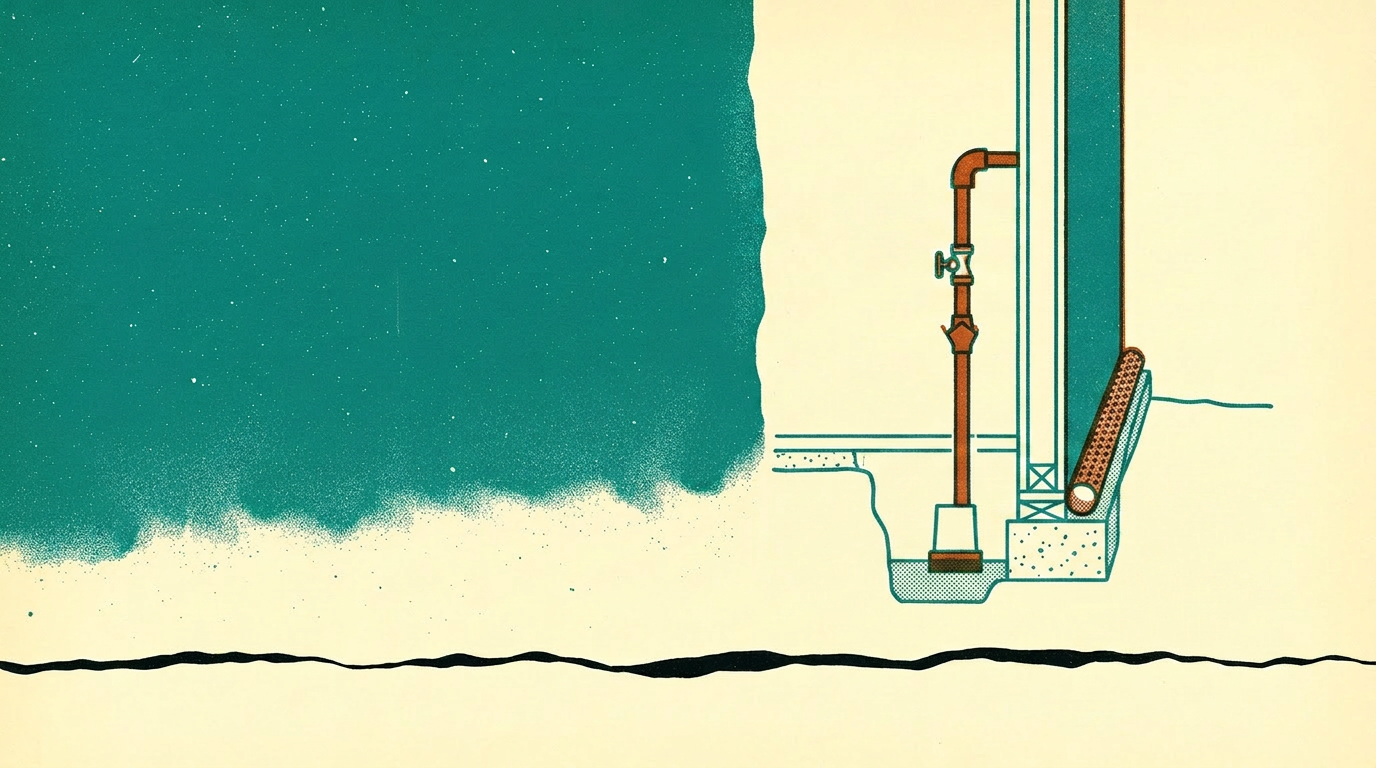
Why sump pumps and weeping tile matter in Calgary inspections
Basement water risk in Calgary is rarely about one part. It is usually a system: roof drainage, grading, soil conditions, foundation cracks, window wells, sump equipment, sewer backup protection, basement finishes and homeowner maintenance. A sump pump is only one piece of that system.
Calgary homes deal with chinooks, spring snowmelt, heavy summer rain, freeze-thaw cycles and clay-heavy soils in many areas. Water can move differently in March than it does after a July thunderstorm. A basement that is dry during a showing may still have a history of seepage, pump cycling or drainage repairs that a buyer needs to understand.
For a buyer, the inspection question is not simply “does it have a sump pump?” The better question is: what is the water-management story of this house? In Calgary, that story can change by neighbourhood era, lot grading, basement finish level and whether the home’s drainage improvements were documented.
What weeping tile actually does
Weeping tile is a foundation drainage system designed to collect water around the footing area and move it away from the foundation. In many homes, that water is directed to a sump pit, where a pump discharges it outside. In other homes, drainage may connect differently depending on age, design and municipal requirements.
The challenge for buyers is that weeping tile is mostly hidden. A home inspector generally cannot see whether buried foundation drainage is clean, crushed, disconnected, full of sediment, invaded by roots or performing properly across the whole perimeter. The inspector can look for clues: a sump pit, visible discharge line, moisture stains, efflorescence, finished-wall limitations, grading issues, downspout problems, sump pump operation and seller records.
That is why the report should use careful language. It can say what is visible and what raises concern. It should not claim the buried weeping tile is functional unless that has been confirmed by appropriate specialist testing or documentation.
What a Calgary home inspection can check at the sump pit
A sump pit inspection starts with visibility and safety. Is the pit accessible? Is there a pump? Is the pump plugged in? Does the pit have a lid? Is there standing water? Does the float appear obstructed? Is there a visible discharge pipe? Is there a check valve to reduce water flowing back into the pit? Are there stains, corrosion, sediment, odour, loose wiring or signs of repeated high water?
The City of Calgary’s climate-ready guidance says a sump pump discharges water from the foundation when it is not possible to drain the foundation directly into a municipal sewer. The same City guidance warns that frequent cycling may indicate higher flood risk from pump failure and recommends backup power rather than potable-water-powered backups.
During a visual home inspection, a pump may be tested only when it is safe and practical. A successful short test does not guarantee the pump will handle a major storm, power outage, frozen line or long-duration groundwater event. It simply confirms what was visible and testable at inspection time.
Why downspouts and lot grading are part of the same issue
Calgary’s lot-drainage guide makes roof drainage a basement issue, not just an exterior maintenance item. It says eavestroughs and downspouts collect roof water and direct it toward public stormwater infrastructure. It also says downspouts should extend 4 to 6 feet away from the foundation so water does not recirculate down the foundation wall and into the basement or weeping tile system.
That is a critical inspection point. A sump pump can be working exactly as designed but still be overworked if the roof keeps dumping water beside the foundation. Short downspouts, clogged eavestroughs, reversed grading, settled walkways, low window wells and poorly sloped patios can all feed the same moisture problem.
For Calgary buyers, exterior drainage often tells the first chapter of the basement story. Before condition removal, it is worth walking the lot with the report in hand and asking whether water is being moved away from the home or recycled back toward the foundation.
When sump pump discharge creates its own problem
A sump pump discharge line should not simply dump water anywhere convenient. The City of Calgary says sump-pump water must not drain directly onto neighbouring properties, lanes, sidewalks, boulevards, streets or into a foundation drain or weeping tile. CMHC also advises that sump discharge should drain somewhere on the property where water can be absorbed and not onto neighbouring properties, sidewalks, lanes or streets.
This matters during inspection because discharge location can turn a protection system into a maintenance problem. If the discharge terminates beside the foundation, the same water can drain back down and recycle through the weeping tile. If it discharges onto a sidewalk or driveway in winter, ice can create a safety issue. If it points toward a neighbour, it may create conflict or bylaw problems.
The inspection should document visible discharge concerns and recommend plumbing or drainage follow-up where needed. It should not redesign the system from the report.
What frequent sump-pump cycling tells a buyer
A sump pump that cycles frequently is not automatically a defect, but it is important information. The City of Calgary says frequent cycling, such as daily or more often, may indicate higher risk from pump failure and suggests considering a separate backup pump if the primary pump fails.
For a buyer, frequent cycling raises follow-up questions. Is the pump responding to a high water table, poor exterior drainage, a low-lying lot, short downspouts, a spring melt condition, a disconnected discharge line or a normal site condition? Is there backup power? Is there an alarm? Is the pump old? Are there service records? Has the basement ever flooded when the pump failed?
A home inspector can document cycling if it occurs during the inspection and note visible risk factors. But cycling patterns are often seasonal. A dry pit in January does not prove the pump is irrelevant, and an active pit in spring does not automatically mean the basement is failing.
How basement finishes can hide the real story
Finished basements can make a home feel more usable, but they can also limit inspection visibility. Drywall, insulation, flooring, built-ins and stored belongings can hide foundation walls, cracks, stains, patch repairs, previous water entry and sump-discharge routes. In Calgary, this matters for older bungalows in Acadia, Haysboro, Lakeview, Brentwood, Varsity, Bowness and inner-city communities where basements have often been renovated over decades.
An inspector may see clues instead of causes: swollen baseboards, staining, musty odour, efflorescence in exposed areas, patched concrete, cut drywall, raised flooring, dehumidifiers, recent paint or visible sump equipment. These clues should be documented carefully. They do not always prove active water entry, but they do tell a buyer where to ask better questions.
The seller’s history matters. A finished basement with clear drainage repairs, invoices and dry performance is different from a finished basement with mystery staining and no records.
Older Calgary homes versus newer stormwater-planned communities
The inspection lens changes by era. A 1912 inner-city home in Sunnyside, Bridgeland or Mission may have older foundation details, renovations, possible sewer-scope questions and limited visibility. A 1960s or 1970s bungalow in Haysboro, Kingsland, Acadia, Brentwood or Lakeview may have basement development, older drainage assumptions, mature trees and changed grading after decades of landscaping.
A newer home in Auburn Bay, Mahogany, Seton, Livingston, Cornerstone, Glacier Ridge or Rangeview may have a more modern drainage design, but that does not make it immune to issues. Grading settlement, disconnected downspouts, incomplete landscaping, window-well problems, sump-pump setup, high water events and homeowner maintenance still matter.
Calgary’s lot-drainage guide also notes that in communities built after 1988, intentionally designed low areas or “trap lows” may temporarily store stormwater during storm events. A buyer in a newer community should understand that some surface ponding may be intentional, while water moving toward the foundation is still a different issue.
What to ask before condition removal
Before removing conditions, Calgary buyers should ask practical questions. Has the basement ever had seepage or flooding? Has the sump pump been replaced? Is there backup power? Where does the discharge line go? Has weeping tile ever been repaired or replaced? Are there invoices for waterproofing, grading, window-well repairs, foundation crack repairs or sewer backup protection?
If the inspection finds frequent sump cycling, moisture stains, short downspouts, poor grading, wet insulation, damp carpet, foundation cracks, a missing check valve, a covered pit or an unclear discharge route, the buyer may need a plumber, drainage contractor, foundation specialist or sewer-scope contractor before condition removal.
The goal is not to kill the deal. The goal is to replace guessing with a short due-diligence plan. A basement-water issue can be minor maintenance, a future budgeting item, an insurance question or a major repair. The inspection helps sort which bucket it belongs in.
